

Love Jesus. Embody justice. Be disciples.
Stories from the Diocese

Northern Neck Region Hosts Safe Church Training
In mid-April, over 25 folks gathered at St. Stephen’s, Heathsville to participate in a Regional Safe Church Training Event using a hybrid approach of in-person and online training using the Praesidium platform.
Christ Church, Charlottesville, Offers Free Weekly Lunches to the Community
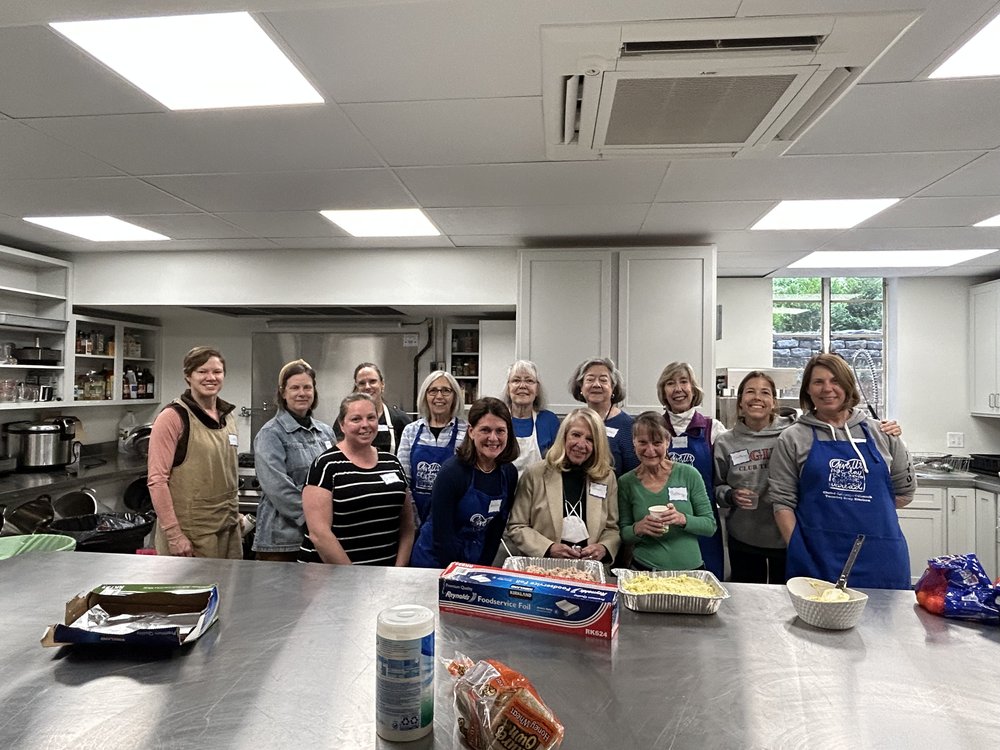
Christ Church has been serving the downtown Charlottesville area for over 30 years through the Christ Church Community Lunch. Church volunteers prepare and serve a nourishing meal every Tuesday to all who walk through their doors.
Trail Links to Bible and Native American History
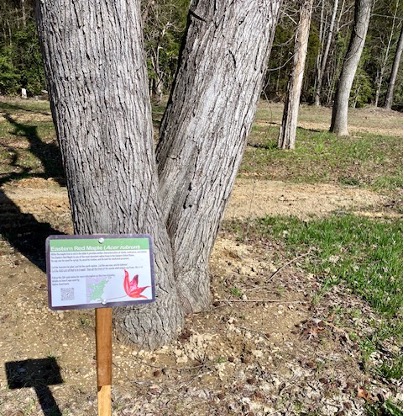
St. Peter's Episcopal Church recently opened a "Trees of the Bible" walking trail. St. Peter’s Rector, The Very Rev. Rodney E. Gordon said the trail allows walkers to explore the natural beauty of the area while learning about the significance of its trees in both the Bible and American history.

St. Paul’s Seeking Episcopal Students for Scholarships to UVA
CHARLOTTESVILLE, VA - St. Paul’s Memorial Church is seeking Episcopal students at The University of Virginia to apply for Episcopal Church Leadership Scholarships. The Rev. Dr. Peter Kang, UVA chaplain at St. Paul’s said up to $300,000 in $5,000 and $20,000...
Upcoming Events
Godly Play Commuter Core Module 1: Sacred Space, Sacred Stories
Godly Play Commuter Core Module 1: Sacred Space, Sacred Stories
This program will be held onsite on the campus of Virginia Theological Seminary. This program will take place from 8:30 a.m.-5:30 p.m. on Saturday, May 18, 2024.
Congregational Status and Stewardship Resourcing Seminars
Congregational Status and Stewardship Resourcing Seminars
As we move forward from the pandemic, many congregations find themselves facing financial and vocational difficulties. Your congregation and vestry may have questions regarding parish versus mission status, vocational purpose, and sustainability.
Women's Retreat: Hope All the Way Down
Women's Retreat: Hope All the Way Down
Join us and keynote speaker The Rev. MaryAnn McKibben Dana for a retreat that will refresh your spirit and give you real-world tools to be hope mongers in your own communities. We will explore hope on all levels: theological, cultural, personal, and practical.
Celebration of New Ministry - The Rev. Angela Lerena
Celebration of New Ministry - The Rev. Angela Lerena
Join the Episcopal Church of Leeds Parish as they celebrate the new ministry of their Rector, the Rev. Angela Joy Lerena.
Strawberry Festival
Strawberry Festival
Entertainment, Food, Trailer with Kids Activities, Crafts for All Ages, Juggling, Face Painting, Balloon Art, Silent Auction
News Releases
Clergy Conduct and Ministry for Racial Justice
The Title IV Hearing Panel of the Episcopal Diocese of Virginia today released its decision that the Rev. Dr. B. Cayce Ramey violated his ordination vows and the Canons of The Episcopal Church and, as such, recommended that Dr. Ramey be deposed and thus “deprived of...
Wildfire Relief Grant Awarded from Episcopal Relief & Development
In March, over one hundred wildfires broke out in Shenandoah County, Page County, Shenandoah National Park and Valley, and Fort Valley as a result of downed power lines. The Episcopal Diocese of Virginia has received a grant for wildfire relief efforts from Episcopal...
An Update from the Creation Care Committee – Earth Day 2024
A New Resource from the Environmental Parish Ministry Conference. The Creation Care Committee, led by Kristine Montamat and supported by more than a dozen community volunteers, co-hosted an Environmental Parish Ministry Conference at Virginia Theological Seminary on February 17.
Find a Church
 Welcome to the Episcopal Diocese of Virginia. The Diocese is made up of 173 churches with more than 65,000 members. This map will help you to find a church near you. Come and see how we are sharing our faith through worship, fellowship, and service.